People's History Museum Manchester: Free Entry
The People's History Museum tells the story of ordinary people who fought for rights and freedoms, and entry costs nothing.
Short answer
Yes, the People's History Museum in Manchester is free to enter, with a voluntary suggested donation of £10 that most visitors choose to give.
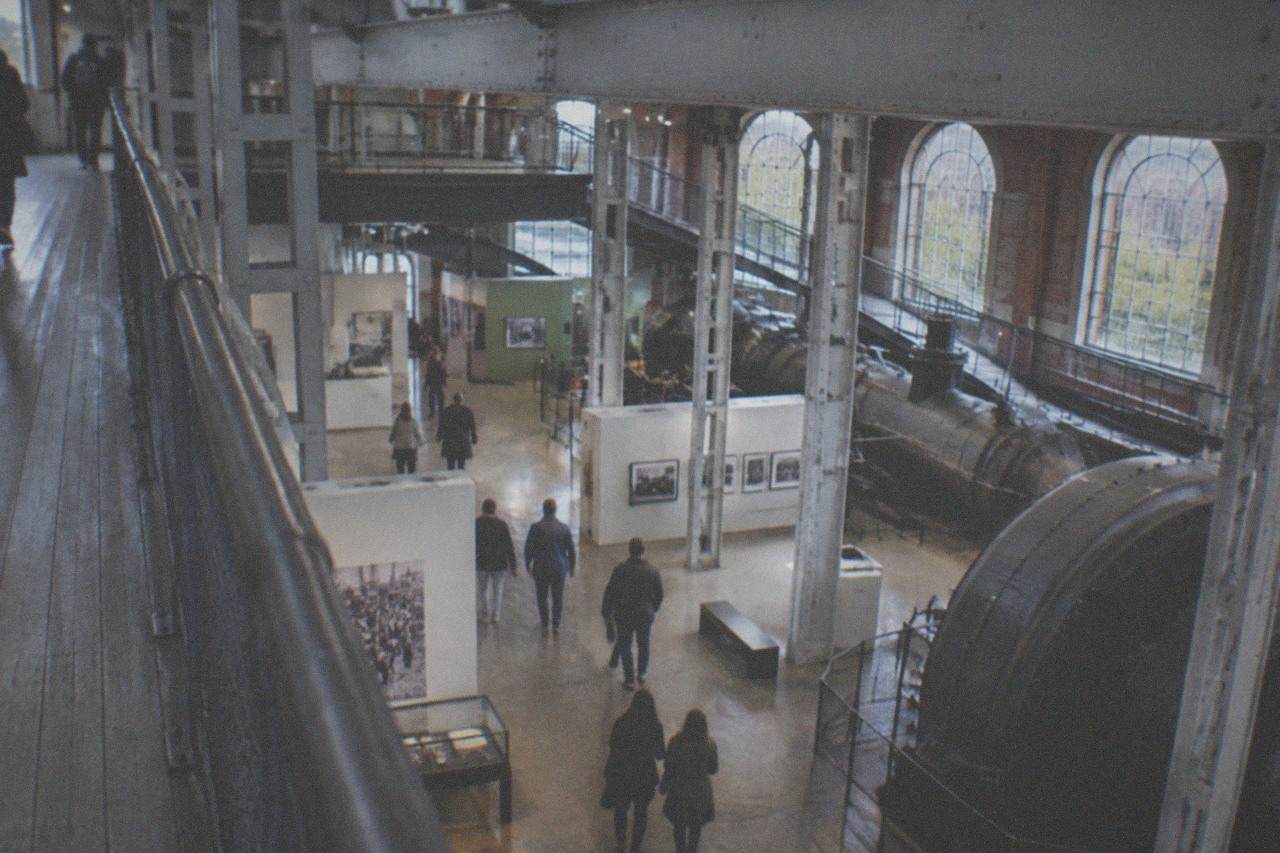
Yes, the People's History Museum in Manchester is free to enter. The national museum of democracy sits in a converted Edwardian pumping station on the left bank of the River Irwell, and admission carries no charge at all. The museum's own visiting page states that most visitors donate £10, but that donation is entirely voluntary, and nobody is turned away for not paying. Galleries cover two centuries of protest, trade unionism, suffrage and workers' rights, and the whole collection is open to anyone who walks in.
The building itself tells half the story before a single exhibit appears. This was once the Manchester Mechanics' Institute's hydraulic pumping station, machinery that powered the city's civic infrastructure, and it now houses the banners, badges and placards of the movements that reshaped British political life. Manchester has a strong claim to be the birthplace of modern democracy, from the Peterloo Massacre of 1819 through the birth of the trade union movement and the first suffrage campaigns, and this museum is where that national story is kept.
| Practical Basics | Details |
|---|---|
| Entry cost | Free, no booking required for general entry |
| Suggested donation | £10, voluntary, most visitors donate |
| Address | Left Bank, Spinningfields, Manchester M3 3ER |
| Opening pattern | 10am to 5pm every day except Tuesdays |
| Nearest transport | Metrolink to St Peter's Square or Deansgate-Castlefield |
| Family facilities | Play areas, trails and activities included in free entry |
The museum is one of the most genuinely free attractions in the city, and it sits within a cluster of free museums and public spaces that make a full free day in central Manchester straightforward to plan. This guide covers what is inside, how the donation system works, the best time to visit, and how to build a day around it without spending on anything except food.
All four walks above are run by independent local guides on the GuruWalk platform, free on a pay-what-you-want basis, and several of them pass within a short distance of the museum itself. The 3-Hour Walking Tour, rated 4.96 out of 5 across 1,276 GuruWalk reviews, starts nearby at Sackville Park and covers the same political history the museum displays.
What Is Inside The People's History Museum?
The museum holds the national collection of historic banners, plus galleries on Peterloo, trade unions, suffrage and cooperative movements, all included in free entry. Two permanent galleries, one per floor, carry the story chronologically from the late eighteenth century to the present day, supported by a changing programme of temporary exhibitions that is also free.
The banner collection is the heart of the museum. Historic trade union banners, some restored on site in a visible Textile Conservation Studio, are among the largest such collections in the world. These are enormous painted and embroidered objects, some more than a century old, that were carried through the streets during marches and demonstrations. Watching conservators work on them through the studio's viewing window is one of the quieter highlights of a visit.
The main galleries move through the radical politics of the early nineteenth century, the 1819 Peterloo Massacre in which cavalry charged a peaceful pro-democracy crowd, the rise of the Chartist movement, the legalisation of trade unions, the campaign for women's suffrage, and the growth of the Labour and cooperative movements. Objects on display include original placards, strike materials, campaign badges and personal items belonging to organisers whose names rarely appear in school history lessons.
| Gallery Theme | Period Covered | Key Objects |
|---|---|---|
| Radical beginnings | 1790s to 1850s | Peterloo material, radical press, Chartist items |
| Organising workers | 1850s to 1945 | Trade union banners, strike ephemera |
| Votes and rights | 1860s to 1928 | Suffrage banners, campaign literature |
| Postwar change | 1945 to present | NHS, equality and protest materials |
| Conservation studio | Ongoing | Historic banners being restored, visible to visitors |
The museum describes itself as the national museum of democracy, and the curation takes sides in a way most national museums avoid. The perspective is unapologetically that of the people who organised, marched and struck for rights now taken for granted. That framing is a large part of why visitor reviews tend to be so warm, and why many visitors describe it as more moving than they expected.
Is The People's History Museum Really Free, Or Do You Have To Pay?
Entry is genuinely free, with no ticket, no booking and no mandatory charge of any kind. The museum's own FAQ and visiting pages confirm free admission, and the only money figure attached is the suggested £10 donation, which is voluntary and can be given in cash, by card or not at all.
This distinction matters in Manchester more than in most cities, because several of the city's headline attractions are only conditionally free. The National Football Museum, for example, is free only for Manchester City Council residents with proof of an M postcode address, and everyone else pays. The Science and Industry Museum is free but requires a booked timed ticket. The People's History Museum avoids both traps: there is no residency test and no booking system for general entry.
| Money Question | Answer |
|---|---|
| Is there an entry charge? | No, admission is free |
| Is a donation required? | No, the £10 suggestion is voluntary |
| Are temporary exhibitions charged? | No, they are included in free entry |
| Is booking needed? | No booking needed for general entry |
| Are events and talks charged? | Most are free, some ticketed events may charge |
Donations matter to the museum's finances, since it is a charity, and the suggested figure exists because most visitors want to contribute something. Visitors who cannot afford it lose nothing by walking in and walking out again. Families are particularly well served, with play areas, activity trails and craft materials all included rather than sold as add-ons.
Why Is This Museum In Manchester At All?
Manchester was the crucible of British democratic and labour movements, from Peterloo through the trade unions, so the national museum of that story belongs here. The city's industrial growth in the early nineteenth century created both enormous wealth and desperate working conditions, and the political movements that grew in response changed the entire country.
The Peterloo Massacre of 1819 is the anchor event. A crowd of tens of thousands gathered at St Peter's Field, close to the modern St Peter's Square, to hear speeches demanding parliamentary representation, and cavalry charged the crowd, killing around 15 people and injuring hundreds. The event is commemorated today by a memorial in St Peter's Square, which several free walking tours of the city include as a stop. The museum holds Peterloo material among its earliest objects.
From that moment, Manchester became the organisational home of radical politics. The city saw the founding of the Trades Union Congress movement's early structures, the growth of the suffragette campaign led by Emmeline Pankhurst, whose former home is now a museum in its own right, and the development of the cooperative movement at nearby Rochdale. The museum's location on the River Irwell, facing the legal and banking district of Spinningfields, places the story of working people directly across the water from the institutions they fought to change.
What Are The Opening Hours And The Best Time To Visit?
The museum opens daily from 10am to 5pm, including Sundays and most bank holidays, and weekday mornings are the quietest time to visit. Unlike many Manchester museums that close on Mondays, this one keeps a seven-day schedule, which makes it a reliable option on days when other attractions are shut.
Midweek visits outside school holidays tend to be calm, with plenty of space in the galleries. Weekends and school holidays are busier, particularly around the family play areas on the ground floor, though the building's industrial proportions mean it rarely feels cramped. The two hours before closing are often quiet as well.
| Time | What to Expect |
|---|---|
| Weekday mornings | Quietest galleries, conservation studio easy to view |
| Weekends afternoons | Busiest, family activities in full swing |
| School holidays | Lively, trails and crafts running, still free |
| Bank holidays | Open as normal, popular with visiting families |
| Last hour | Quieter again, enough time for one floor |
Group visits and school parties sometimes fill the ground floor gallery in the mornings, so visitors wanting an unhurried look at the banner displays may prefer to start on the upper floor and work down. The museum's café and shop are separate from the galleries, and neither is required to enjoy the visit.
How Long Does A Visit Take, And Is It Good For Children?
Most visitors spend between 90 minutes and two hours in the galleries, and the museum is one of the most child-friendly free attractions in Manchester. The two permanent galleries can be walked at pace in under an hour, but the object density rewards slower browsing, and the conservation studio alone can hold attention for a while.
Children are catered for deliberately rather than tolerantly. The ground floor includes a play area themed around cooperative values, activity trails run through the main galleries, and craft tables appear during school holidays. The museum's family offer is included in free entry rather than sold separately, which distinguishes it from attractions that advertise free entry but charge for everything a child actually wants to do.
The subject matter is handled in a way that engages younger visitors without sanitising it. The Peterloo galleries are honest about the violence of the event, and the protest galleries connect historic campaigns to present-day ones that children will recognise. Teenagers studying history at school often find the museum maps directly onto curriculum topics on democracy, rights and industrial Britain.
What Else Is Free Near The People's History Museum?
Within the surrounding city centre, Manchester Art Gallery, Manchester Museum, the John Rylands Library and the Science and Industry Museum are all free to enter, each with its own conditions. The museum's Spinningfields location sits close to the River Irwell, with the main museum quarter along Mosley Street and Oxford Road a short tram or bus ride away.
Manchester Art Gallery on Mosley Street is the nearest major free museum. General admission is free with no booking required, and the gallery is open Tuesday to Sunday, 10am to 5pm, with some late openings. Its collection spans pre-Raphaelite painting to contemporary art, and its craft and design galleries are among the best of their kind in the country.
Manchester Museum, on Oxford Road at the university, is another free institution. All its galleries and exhibitions are free to enter, including the South Asia Gallery and the Vivarium, its live amphibian collection. The one condition is that the current main temporary exhibition, though free, requires booking a ticket online in advance. The rest of the museum needs no booking at all.
The John Rylands Library on Deansgate is free with no booking required, and its Victorian neo-Gothic reading room is one of the most photographed interiors in the city. The Science and Industry Museum, a little further out at Castlefield, is free but requires a timed ticket booked online in advance. Both are covered in more detail at the end of this guide.
Is The National Football Museum Free Too?
The National Football Museum is free only for Manchester City Council residents with proof of an M postcode address; everyone else pays for entry. This is the single most misunderstood pricing structure in the city, and visitors regularly arrive expecting free entry because the museum is widely described that way online.
The residency rule works through ID at the door. Adults aged 16 and over who do not live within Manchester City Council's area pay £15 online or £17 walk-up, with children aged 5 to 15 at £9 and £11 respectively, and under-5s free. Some in-museum experiences, such as the Penalty Shootout, cost extra on top of admission for everyone.
Visitors from outside the city who want football history without the entry charge are not short of alternatives. Several free walking tours in the city weave football culture into their routes alongside industrial and musical history, and the walk-up viewing of Old Trafford and the Etihad from public areas costs nothing, though the stadium tours themselves are paid products.
How Does The Museum Fit Into A Free Walking Day?
The museum's riverside position places it on a natural free walking route that takes in St Peter's Square, the John Rylands Library, Castlefield and the Northern Quarter. A day built entirely around free attractions is realistic in Manchester, and the museum works well as either the first stop of the morning or a midday indoor break.
A workable free route starts at St Peter's Square, where the Peterloo Memorial stands, then moves down Deansgate past the John Rylands Library, crosses to the museum on the left bank of the Irwell, and continues to Castlefield's canal basins and the Science and Industry Museum. All of this is public space and free entry, with the only booking requirement being the Science and Industry Museum's timed ticket.
The free walking tours listed earlier in this guide cover overlapping ground with a guide's commentary attached. The Radical History Tour, rated 5 out of 5 across 23 GuruWalk reviews, is thematically the closest match to the museum, covering the same Manchester movements in the streets where they happened. The 3-Hour Walking Tour, rated 4.96 out of 5 across 1,276 GuruWalk reviews, takes a broader route through the city centre. There is also a Standard Free Walking Tour listed on freetour.com, rated 9.8 out of 10 across 3,530 reviews on that platform's ten-point scale, which meets outside the Central Library; it is a separate operation from the GuruWalk walks and is mentioned here for completeness.
What About The Suggested Donation, And Where Does The Money Go?
The £10 suggestion funds a charity-run museum that receives public support but relies heavily on voluntary giving, and donations can be made by cash, card or contactless. The museum is operated by a charitable trust, and the donation income supports conservation work on the banner collection, the free family programme and the running of the building.
Visitors should not feel pressured by the suggestion. The figure appears on the museum's visiting page as a statement of what most visitors do, not a condition of entry. Anyone who wants to support the museum but cannot afford £10 can give a smaller amount, and anyone who cannot give at all is equally welcome. Gift Aid can be claimed on donations by UK taxpayers, which increases their value to the museum at no extra cost to the donor.
The shop and café follow the same pattern as most free museums: both are paid, both are optional, and neither gates access to anything in the galleries. Visitors keeping to a strict zero-spend day can skip both without missing any of the collection.
Can You Visit The Museum And Other Free Sights In One Day?
Yes, a single free day can comfortably combine the People's History Museum with two or three other free attractions, provided the Science and Industry Museum ticket is booked in advance. The city centre is compact enough that the main free sights sit along a walkable corridor from Piccadilly Gardens to Castlefield.
A realistic one-day plan runs as follows. Start at Piccadilly Gardens, the free public square at the centre of the city, then walk to St Peter's Square for the Peterloo Memorial. Continue down Deansgate to the John Rylands Library, free with no booking, then cross the river to the People's History Museum for the late morning. After lunch, head to the Science and Industry Museum at Castlefield with a pre-booked free timed ticket, and finish the day among the canal basins and the Roman fort area of Castlefield, which is open public space at all times.
| Free Sight | Booking Needed | Free Condition |
|---|---|---|
| People's History Museum | No | Free entry, voluntary £10 donation |
| John Rylands Library | No | Free, queuing possible at busy times |
| Manchester Art Gallery | No | Free general admission, closed Mondays |
| Manchester Museum | Only for main exhibition | Free, ticket needed for the temporary show |
| Science and Industry Museum | Yes, timed ticket | Free with booked slot, paid extras separate |
| Castlefield heritage area | No | Open public space at all times |
The order can be reversed to suit tram arrivals, and the Manchester Art Gallery on Mosley Street slots in easily between St Peter's Square and Deansgate for visitors with more energy than time. The Manchester Cathedral, another free-entry landmark with a suggested £5 donation, sits at the Deansgate end of the route near the National Football Museum building.
What Do Visitors Say About The Museum?
Reviews consistently praise the museum's emotional impact, its family facilities and the quality of the banner displays, with the free entry mentioned as remarkable given the standard of the collection. The museum's own visitor feedback and platform reviews describe a museum that punches well above what its admission charge, which is nothing, would suggest.
Common threads in visitor commentary include surprise at the scale of the building, the readability of the displays, and the effect of the conservation studio. Visitors with no prior interest in political history frequently mention leaving with one. The museum's handling of protest history up to the present day draws both praise and occasional debate, which is arguably the point of a museum of democracy.
For international visitors, the museum offers a route into British history that the bigger national institutions in London do not cover in the same depth. The story of how ordinary people won the vote, the weekend, the welfare state and workplace protections is told here from their side of the struggle.
Are There Any Costs To Watch Out For?
The only money a visitor needs to spend at the museum itself is optional, but the surrounding day has traps: the National Football Museum's residency rule, Chetham's Library's paid-only tours and the Pride weekend wristband zone. Knowing these in advance prevents the most common budget surprises in central Manchester.
Chetham's Library, often described casually as a free historic library, is in fact paid-only for visitors. All access is by pre-booked guided tour priced between £6.50 and £15.50, with no free walk-in browsing. Manchester Town Hall has been closed to the public since 2018 for restoration, so it cannot be visited at all, free or otherwise, and no reopening date should be treated as confirmed. Victoria Baths, the famous Edwardian swimming pool, is free only during its seasonal "Welcome Tuesday" openings from April to September on a donation basis, with paid tours the rest of the time.
| Common Assumption | Reality |
|---|---|
| Football Museum is free | Only for Manchester residents with ID |
| Chetham's Library is free to browse | Paid pre-booked tours only, £6.50 to £15.50 |
| Town Hall can be visited | Closed to the public since 2018 |
| Victoria Baths is free | Free only on seasonal Welcome Tuesdays |
| Pride is free | The parade is free to watch, the Gay Village weekend is ticketed |
None of this diminishes the genuinely free core of the city. The parks, the towpaths, the street art of the Northern Quarter, the cathedral's donation-based entry and the cluster of free museums along Oxford Road and Mosley Street make a full free itinerary entirely realistic, provided the conditions above are checked before setting out.
Common Questions
Is the People's History Museum Free to Enter?
Yes, entry is completely free with no booking required for general admission. The museum states that most visitors donate £10, but the donation is voluntary and admission itself carries no charge. Temporary exhibitions and family activities are included in the free entry.
How Much Should You Donate at the People's History Museum?
The museum suggests £10, which is what most visitors give, but any amount is welcome and nothing is required. Donations can be made by cash, card or contactless, and UK taxpayers can add Gift Aid to increase the value of their gift at no extra personal cost.
What Days Is the People's History Museum Open?
The museum opens daily from 10am to 5pm, including Sundays and most bank holidays. This seven-day schedule makes it unusual among Manchester's major museums, several of which close on Mondays, and it is therefore a reliable option on days when other attractions are shut.
Is the People's History Museum Good for Children?
Yes, it is one of the most child-friendly free attractions in the city. The ground floor has a themed play area, activity trails run through the main galleries, and craft activities appear during school holidays, all included in free entry. The subject matter is presented accessibly for school-age children studying democracy and industrial history.
How Long Should You Spend at the People's History Museum?
Most visitors spend between 90 minutes and two hours. The two permanent galleries can be walked quickly, but the banner collection and the visible Textile Conservation Studio reward slower browsing, and visitors with a particular interest in political history often stay longer.
Can You Combine the Museum With Other Free Attractions Nearby?
Yes. The John Rylands Library, Manchester Art Gallery and Manchester Museum are all free, and the Science and Industry Museum at Castlefield is free with a booked timed ticket. A single free day can realistically take in the museum plus two or three of these, following the route described above along Deansgate and the river.