Is Manchester Worth Visiting?
Yes, Manchester is worth visiting, especially for free things to do, from world class free museums to canal side walks and pay what you want walking tours.
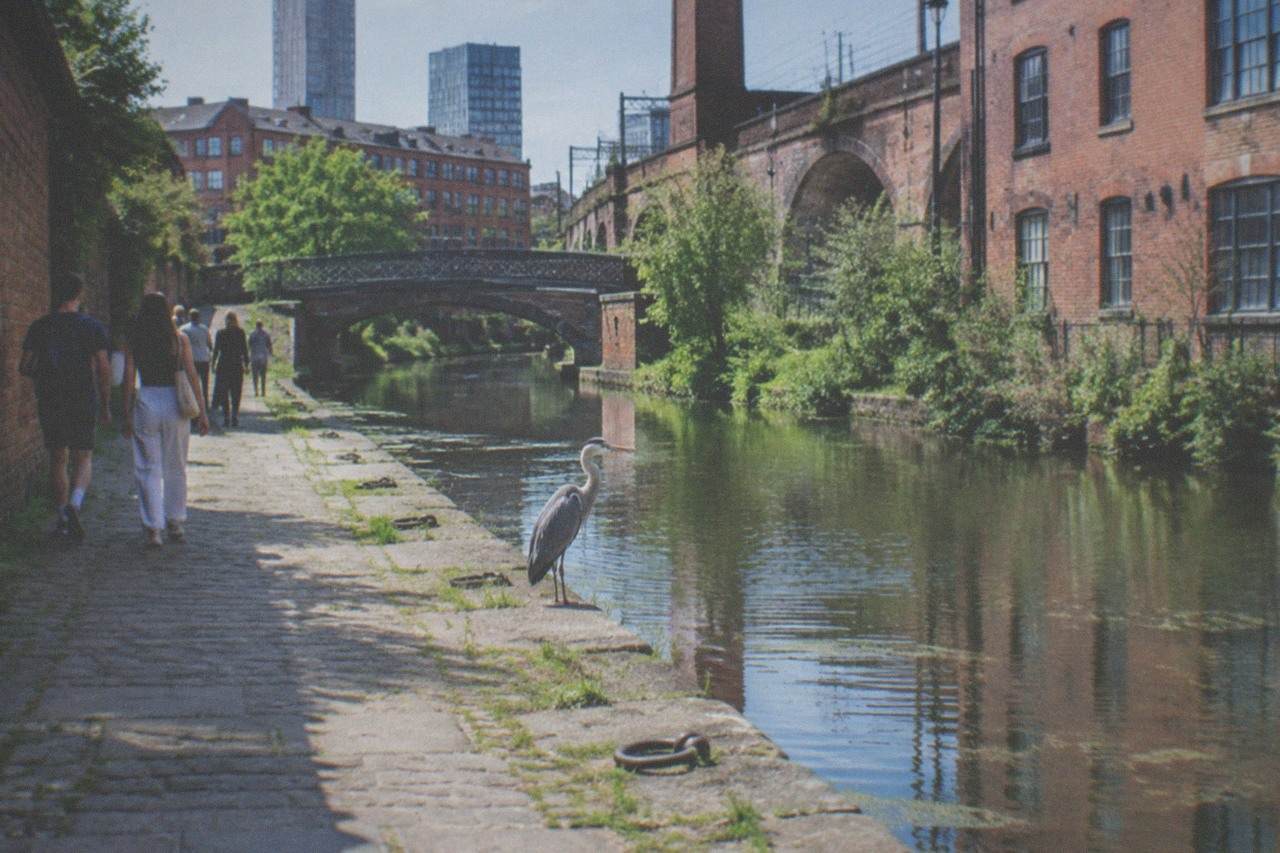
Yes, Manchester is worth visiting. It packs world class free museums, a dramatic industrial skyline, canalside walking, a legendary music and football story and a compact, walkable centre into one city, and a large share of it can be done without paying an entry fee. The city's genuine headline attractions, including its museums, galleries, cathedral and parks, are either fully free or free with a stated condition, and the walking tours that tie the story together run on a pay what you want basis.
That is the short answer. The honest one needs a bit more room, because Manchester has a peculiar habit of mixing genuinely free attractions with ones that merely have a reputation for being free. This page separates the two properly.
Manchester's case for a visit rests on three things. First, the scale of what is free: the Manchester Art Gallery, the John Rylands Research Institute and Library, the People's History Museum, the Whitworth and several more all charge nothing for general admission. Second, the city's story. This is the place where the industrial world arguably began, where the computer was first stored-programmed, where suffragism, trade unionism and communism all found early English footholds, and where two football clubs and a music scene shaped global culture. Third, the geography. Almost all of it sits within a walkable ring, stitched together by canals and towpaths.
Here is the quick verdict on the main draws before the detail:
| Attraction or experience | Is it free? | The condition you need to know |
|---|---|---|
| Manchester Art Gallery | Yes | No booking required, open Tuesday to Sunday |
| John Rylands Library | Yes | Free admission, no booking, queueing possible at busy times |
| Manchester Museum | Yes | Free, but the main temporary exhibition needs a booked online ticket |
| Science and Industry Museum | Conditionally | General admission free but a free timed ticket must be booked online |
| National Football Museum | Conditionally | Free only for Manchester City Council residents with proof of address |
| Victoria Baths | Conditionally | Free only via Welcome Tuesday afternoons, April to September |
| Chetham's Library | No | All access is via pre booked paid tours, £6.50 to £15.50 |
| Manchester Town Hall | No | Closed to the public since 2018 for restoration |
Four of the six free walking tours available in the city run in English and are cardable on this site, and they are the single best orientation tool a first time visitor has. All six walks are free to join and pay what you want at the end, and they belong to independent local guides rather than to this site or anyone connected with it. The full English language options look like this:
The 3-Hour Walking Tour, rated 4.96 out of 5 across 1,276 GuruWalk reviews, is the broadest of them. The World-Famous Dog Salchicha Tour, 4.96 out of 5 across 271 GuruWalk reviews, is the quirkier option, led with a famous canine co host. The BBC And Sidemen Tour, 4.8 out of 5 across 256 GuruWalk reviews, leans into the city's media fame. The Radical History Tour, a perfect 5 out of 5 across 23 GuruWalk reviews, digs into the politics. Two further walks complete the city's roster: an Express Tour in Spanish, 4.87 out of 5 across 39 GuruWalk reviews, which is Spanish only, and the Standard Free Walking Tour listed on freetour.com at 9.8 out of 10 across 3,530 reviews, which this site names but does not link because its referral terms remain unverified. That is the entire inventory. Six walks, not a curated shortlist.
What Makes Manchester Worth Visiting In The First Place?
The honest reason to go is density. Manchester gives you the industrial revolution, modern democracy, computer science and pop music inside a couple of square miles, and the buildings that carried all four are still standing.
The science story alone justifies a day. The Science and Industry Museum sits on the site of the world's oldest surviving passenger railway station, Liverpool Road, where railway passenger services began in 1830. Its collections cover Manchester's full scientific arc, and general admission is free, though a free timed ticket must be booked online in advance and special exhibitions, such as the current Horrible Science run, are paid separately. Anyone who tells you to just walk in and see everything for nothing is missing the ticket step and the paid exhibition layer.
The political story sits at the People's History Museum, which charts two centuries of working people's movements, votes for women and the birth of trade unionism. Entry is free, with a voluntary suggested donation of £10. The Peterloo Massacre of 1819, when cavalry charged a peaceful pro-democracy crowd, happened a short walk away, and the museum and the city's monuments together make that history physically present rather than abstract.
Then there is the look of the place. Manchester's Victorian warehouses, red brick and iron-framed, with the Beetham Tower and newer glass rising above them, give the city a texture that photographs better than it gets credit for. Castlefield's canal basins, where the Bridgewater and Rochdale canals meet the old railway viaducts, are the most atmospheric quarter of all, and they are completely free public space.
Is Manchester Expensive To Visit?
Less than its reputation suggests, because the expensive reputation is mostly about football and concerts rather than the day to day city.
Accommodation and food in Manchester run cheaper than London on every measure that matters to a visitor, and the core sightseeing layer is cheaper than almost any comparable English city because so much of it is free. The genuinely free list is long: Manchester Art Gallery, the Whitworth, the People's History Museum, the John Rylands Research Institute and Library, Manchester Museum, IWM North, Salford Museum and Art Gallery, HOME's galleries, The Lowry's galleries, Manchester Cathedral, Manchester Central Library, Ordsall Hall, Castlefield Viaduct, and a full set of parks and towpaths.
The trap is the conditionally free tier, and Manchester's headline names live in it. Here is where the real costs hide:
| The famous name | What people assume | What is actually true |
|---|---|---|
| National Football Museum | Free museum | Free only for Manchester City Council residents with M postcodes and proof of address; other adults pay £15 online or £17 walk-up |
| Chetham's Library | Old library, free to look round | No free access at all; every visit is a pre booked paid tour, £6.50 to £15.50 |
| Manchester Town Hall | Victorian landmark to visit | Closed to the public since 2018 for restoration, with no confirmed reopening date |
| Victoria Baths | Free heritage site | Free only through Welcome Tuesday, 11am to 3pm, April to September, donation basis |
| Science and Industry Museum | Free museum | Free, but a timed online ticket is required and special exhibitions cost extra |
A realistic free day in Manchester is therefore entirely possible, and a realistic paid day is easy to stumble into by accident. The difference is knowing which tier each name belongs to before arriving. Plan around the genuinely free tier and the conditionally free tier's stated conditions, and the city becomes remarkably cheap. Walk into Chetham's expecting free browsing or the Football Museum expecting a free museum, and the day gets expensive at exactly the moment it was supposed to be free.
Which Free Museums Are Actually Free In Manchester?
The museums with no strings attached are: Manchester Art Gallery, The Whitworth, the People's History Museum, the John Rylands Research Institute and Library, Manchester Museum, IWM North, Salford Museum and Art Gallery, HOME's galleries and The Lowry's galleries.
Manchester Art Gallery holds a strong pre-Raphaelite collection plus significant Victorian and modern British painting, with general admission free and no booking required. The Whitworth, set in a park south of the centre, combines fine art and textiles with a striking modern extension, and is free with no booking. The John Rylands Research Institute and Library, a neo-Gothic masterpiece on Deansgate, states plainly that admission is free and no booking is required, though queues form at busy times. Manchester Museum is free throughout, with the single note that its main temporary exhibition, currently Human Natures, is free but needs an online ticket.
IWM North, Daniel Libeskind's shard-like building at Trafford Wharf, covers modern conflict with free general admission. Across the water, The Lowry's galleries hold the world's largest public collection of L.S. Lowry works, free to enter, with only the theatre separately ticketed. HOME offers free gallery space alongside its paid cinema and theatre. Salford Museum and Art Gallery, a short ride out, is free too.
Two smaller entries deserve better than they get. The Portico Library on Mosley Street is one of them.
The Portico Library, founded in 1806, is a golden, book-lined gallery that has been in continuous use for over two centuries, and its library room, current exhibitions, café and bookshop are free entry to all. Only its guided tours carry a charge, at £6 per head. For a visitor weighing whether Manchester is worth the trip, a 200 year old subscription library you can walk into for nothing is exactly the kind of quiet surprise the city specializes in.
Can You See Manchester's Industrial Heritage For Free?
Yes, and more of it than most visitors expect, because the best industrial Manchester is outdoors.
Castlefield is the obvious anchor. The urban heritage park contains the reconstructed Roman fort gateway of Mamucium, the canal basins where the Bridgewater Canal meets the Rochdale, and the iron viaducts that carried railways over the lot. All of it is open public space, free at all times, and a walk through it compresses 2,000 years of the city's story into under an hour on foot.
The towpaths extend that walk for miles. The Rochdale Canal towpath through central Manchester, running past Canal Street and the Gay Village, is a free public route, as is the Bridgewater Canal towpath through Castlefield. The Science and Industry Museum's free galleries then take the story indoors, from the 1830 Liverpool Road station to textile machinery and early computing.
The Castlefield Viaduct deserves a special mention. This elevated Victorian steel viaduct, reimagined as a park in the sky, is free to enter on a walk-up basis in its current phase, open Wednesday to Sunday, 10am to 5pm. Walking a 19th century railway structure planted with gardens, above a canal basin, costs nothing and exists almost nowhere else in Britain.
Is Victoria Baths Free To Visit?
Not in the ordinary day to day sense, despite its free-entry reputation, and this is one of the clearest examples of Manchester's conditionally free pattern.
Victoria Baths, the Edwardian swimming palace on Hathersage Road with its tiled pools and stained glass, opens to casual visitors only through Welcome Tuesday: 11am to 3pm, with last entry around 2:30pm, running April to September, on a free, pay-what-you-can donation basis. Outside those afternoons, the only public access is the paid Discover Victoria Baths guided tour at £10, or private event hire. Arrive on a Tuesday between April and September and it costs nothing; arrive any other day expecting the same and you find the doors shut or a tour ticket in your hand. The building is worth the planning either way. It is one of the most decorated public buildings in the country and the restoration work in progress is visible, which makes a visit feel like watching something being brought back rather than preserved.
Where Can You Relax Outdoors In Manchester For Free?
Manchester's parks are a genuinely underrated part of the case for visiting, and the biggest ones sit within easy reach of the centre.
Heaton Park, at over 600 acres one of the largest municipal parks in Europe, is free to enter and open roughly from 8am to dusk, with a free animal centre alongside it. The heritage tramway rides inside the park are a separate small paid attraction, and Heaton Hall itself has no standard public access, but the park itself costs nothing. Platt Fields Park, Alexandra Park, Fletcher Moss Park and its botanical gardens in Didsbury, and Chorlton Water Park, the city's nature reserve on a former water supply reservoir, are all free public spaces. Piccadilly Gardens, for all its mixed reputation, is free public space in the middle of everything, as are Exchange Square and Cathedral Gardens, which fill up in winter with the Christmas Markets' free-to-enter sites.
Closer to the universities, Whitworth Park is the one most visitors will actually use.
Whitworth Park surrounds the free-entry Whitworth gallery, giving the art visit a green frame. It is a free public park in its own right, and in summer the combination of gallery, park and the café terrace between them makes a full afternoon that costs nothing at the gate. For a city with an industrial image, Manchester is generous with exactly this kind of pairing: a free museum set inside a free park, so the two halves of a day reinforce each other.
What About Football, Music And The Things Manchester Is Famous For?
Here is the part worth being blunt about: the most famous Manchester experiences are the paid ones, and the free versions of them are different experiences rather than discounted ones.
The stadium tours at Old Trafford and Etihad Stadium are paid products, and the clubs' museums sit behind those same paid doors. There is no free stadium visit at either ground. What the football fan without a ticket can do free is the city's football geography: the National Football Museum's presence on the skyline (free only for Manchester residents with proof of address, all other adults £15 online), the tributes and murals scattered across the city, and the atmosphere of a matchday city, which is free to absorb from any public street.
Music works the same way. The paid gigs and arena shows are what people travel for, but the free layer is real and permanent. The city's musical history is written on its streets, from the buildings on Oxford Road and the sites associated with Joy Division, the Smiths, the Haçienda era and Oasis to the Northern Quarter's record shops. Walking that history costs nothing, and it is arguably richer with a guide: the BBC And Sidemen Tour, 4.8 out of 5 across 256 GuruWalk reviews, covers media and pop culture territory across its two hours on a pay what you want basis.
The Northern Quarter's street art, concentrated around Stevenson Square, is free and unrestricted to view on public streets, and it refreshes constantly, so repeat visits genuinely see different walls. The Manchester Craft and Design Centre nearby is free to browse, with only the studios' own goods for sale.
Is One Day Enough In Manchester?
One day is enough to see why the city is worth visiting, but not enough to settle the question, and a weekend is the better fit for most people.
A single well planned day can cover the Manchester Art Gallery or the John Rylands in the morning, a free walking tour of the centre (the 3-Hour Walking Tour, 4.96 out of 5 across 1,276 GuruWalk reviews, is the fullest option), lunch, Castlefield and the canal basins in the afternoon, and the Northern Quarter in the evening. That day would cost nothing in entry fees, and it would hit the core of the city's story.
What one day cannot do is the spread. IWM North and The Lowry at Salford Quays sit across the water and want half a day themselves. Heaton Park is a tram ride out. Ordsall Hall, free and open Monday to Thursday and Sunday, is another short hop. The conditionally free tier needs calendar planning: Victoria Baths only works on a Tuesday afternoon between April and September, and the Science and Industry Museum's ticket system rewards booking ahead.
A practical shape for a free weekend looks like this:
| Day part | Free plan | The one thing to plan ahead |
|---|---|---|
| Saturday morning | Manchester Art Gallery or John Rylands, then coffee | Nothing, both are walk-in free |
| Saturday midday | 3-Hour Walking Tour from Sackville Park | Book the GuruWalk slot the day before |
| Saturday afternoon | Castlefield, Roman fort, canal basins | None, open public space |
| Sunday morning | Whitworth and Whitworth Park | None, walk-in free |
| Sunday afternoon | IWM North and The Lowry galleries at Salford Quays | None, free general admission |
| Tuesday afternoon (if extending) | Victoria Baths Welcome Tuesday | Must be April to September, arrive before 2:30pm |
What Would Make Manchester Not Worth Visiting?
Being fair to the question means naming the cases against, because there are some.
If the trip is built entirely around football stadiums, big concerts or Christmas shopping, the paid experiences carry it and the free layer is a sideshow. If the visit is a whistle-stop between London and the Lake District, the city deserves more than a lunchtime and shows worse in one. And if the weather is bad, and it sometimes is, Manchester's outdoor half, the canals, parks and street art, loses much of its charm, leaving the free museums and libraries as the shelter, which is a fine consolation but a smaller day.
The counter-case is that all of those objections are about time and weather rather than the city itself. Manchester's actual problem for a visitor is not a shortage of things worth seeing. It is that the free and paid layers sit close together and get confused, so a visitor who has not sorted which is which arrives at Chetham's Library expecting a free browse or at the National Football Museum expecting a free museum and comes away feeling misled by the city rather than by the plan. Sorted in advance, the city overdelivers for its size. That is the honest summary: Manchester is worth visiting precisely to the degree that you know what you are walking into.
The city's best closing argument is its doorstep layer, the pieces you can stand in front of with no ticket, no booking and no planning at all: