Is Manchester Safe To Walk Around?
An honest answer to whether Manchester is safe to walk around, which areas feel fine on foot, what to expect at night, and which free sights are worth the walk.
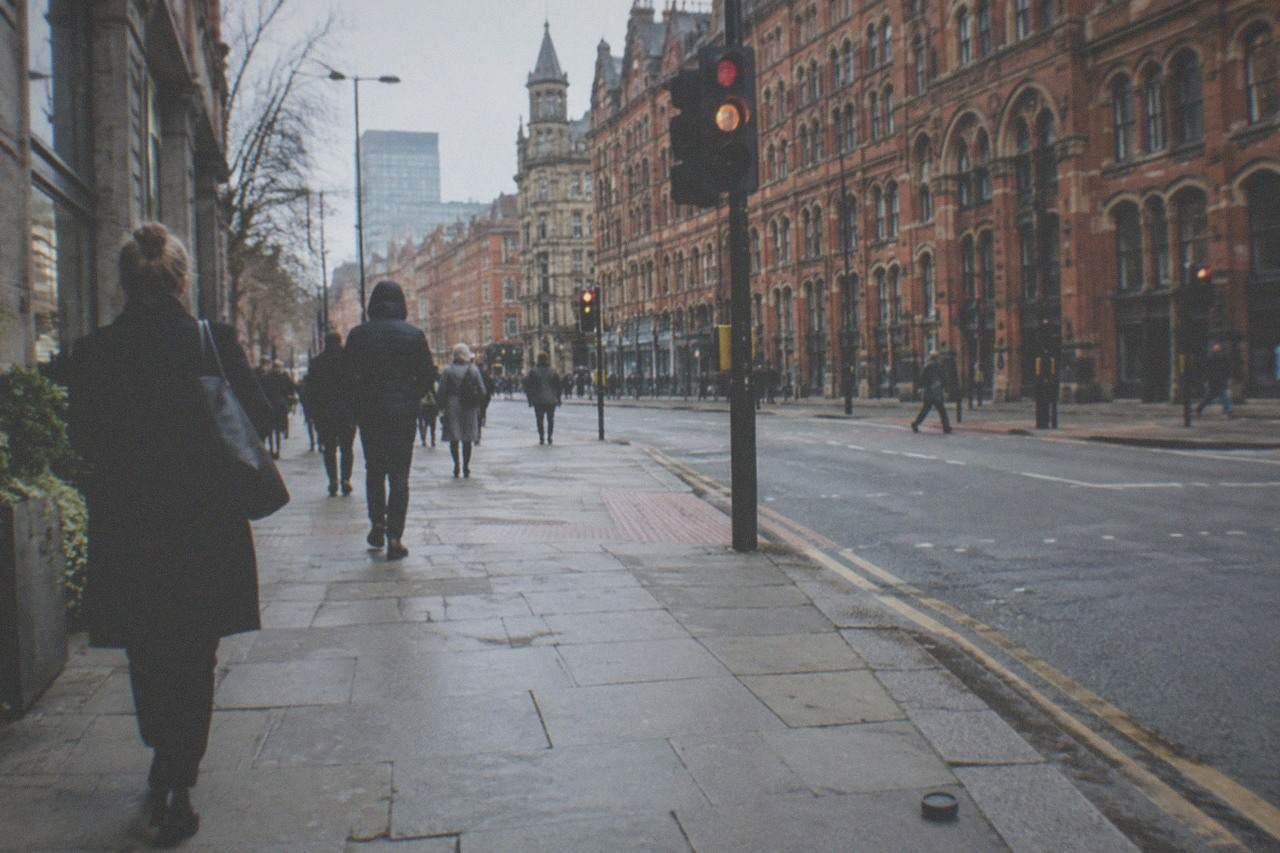
Yes, in the areas visitors actually walk. Manchester city centre, the Northern Quarter, Castlefield, Salford Quays and the main museum and gallery districts are ordinary, busy, well-used pedestrian spaces where millions of people walk every year without incident. Like any big UK city, it has districts that feel rougher after dark and a small number of streets where late-night drink causes trouble, but nothing in the standard visitor circuit requires special caution beyond normal city sense.
That is the short version. The longer version matters, because "Manchester" covers a sprawling borough and the question usually really means "will visitors feel safe walking between the things they came to see?" The table below gives a quick verdict by area and time of day, and the rest of this page goes through the honest detail, including the parts of the question people actually type into search boxes: no-go areas, the Liverpool comparison, walking alone, and walking at night.
| Area | Daytime On Foot | After Dark On Foot | What It Is Like |
|---|---|---|---|
| City centre (Piccadilly, Deansgate, Market Street) | Relaxed, crowded | Busy, well lit, watch for nightlife crowds | Main shopping and civic core |
| Northern Quarter | Relaxed, creative, busy | Generally fine, quieter side streets | Independent bars, street art, cafés |
| Castlefield and the canal basins | Quiet, scenic, relaxed | Dim towpaths, walk the lit streets instead | Roman fort area, canals, apartments |
| Salford Quays and MediaCityUK | Open, modern, relaxed | Quieter but wide and largely lit | Waterfront, museums, studios |
| Deansgate and Spinningfields | Polished, busy | Very busy, heavily lit | Offices, bars, restaurants |
| Fringe districts beyond the centre | Variable | Use buses and trams after dark | Residential and mixed-use |
One of the best ways to learn a new city's geography safely is to walk it with a local guide who knows which streets carry the story and which do not. Manchester has a small but genuinely strong free, pay-what-you-want walking tour scene on the GuruWalk platform, run by independent local guides rather than by this site. Four English-language walks are worth knowing about: the 3-Hour Walking Tour, rated 4.96 out of 5 across 1,276 GuruWalk reviews; the World-Famous Dog Salchicha Tour, 4.96 out of 5 across 271 GuruWalk reviews; the BBC And Sidemen Tour, 4.8 out of 5 across 256 GuruWalk reviews; and the Radical History Tour, a perfect 5 out of 5 across 23 GuruWalk reviews.
Which Parts Of Manchester Are Fine To Walk Around?
The core visitor circuit is completely ordinary walking territory. Piccadilly Gardens, Market Street, Deansgate, the Northern Quarter, the museum quarter off Oxford Road and both canal basins are dense, pedestrian-heavy spaces with the normal noise and crowding of a big regional city. Daytime walking here feels like Birmingham, Leeds or Glasgow, not like somewhere requiring a plan.
Start with the spine of the city. Piccadilly Gardens is a free public square, and from it the whole standard walking day unfolds without ever needing a car or a risky detour. Market Street runs pedestrian-only towards the Arndale. Deansgate, one of the longest city-centre streets in the country, links the John Rylands Research Institute and Library at one end to Castlefield at the other, and it is wide, lit and busy for almost its entire length.
Cross into the Northern Quarter for the street art around Stevenson Square. This is public art on public streets, free and unrestricted to view, and the district is at its best in daylight when the studios and record shops are open. On the theme of free browsing, the Manchester Craft and Design Centre nearby is free to enter, with working studios you can watch, though anything you buy in them is sold at the studios' own prices.
The Oxford Road corridor, slightly south, holds the free museum cluster. The Manchester Museum is free to enter, with the current temporary exhibition also free but needing a booked online ticket. The Whitworth, a little further out in its park, is likewise free with no booking required. Both sit on or beside busy student streets that are among the most walked, most surveilled roads in the city.
Are There Any Parts Of Manchester To Avoid?
No area on the standard visitor map needs avoiding, day or night. The districts that carry rough reputations are residential areas well outside where visitors walk, and the honest advice is not "avoid X" but "stick to where the city is lit and used". The genuinely useful caution is about specific situations rather than specific districts.
Two practical notes. First, the canal towpaths in and around Castlefield are beautiful by day and dim by night; after dark, take the lit streets above rather than the water-level path. This is standard advice for any UK city with canals, not a Manchester-specific warning. Second, the streets immediately around the main nightlife strips get rowdy after midnight on weekends, purely because of alcohol. That rowdiness is predictable, avoidable by timing, and not the same thing as danger.
Manchester is also a city where the visible presence of people is your friend. The free attractions sit on busy corridors for a reason. The Manchester Art Gallery on Mosley Street is free, no booking required, and sits on a main road two minutes from the town-centre spine. The People's History Museum, free entry with a voluntary suggested donation, anchors the riverside Spinningfields edge, one of the most polished and patrolled parts of the centre.
For contrast, it helps to know what is not free, because "free museum city" is a reputation Manchester only partly earns. The National Football Museum is free only for Manchester City Council residents with M postcodes and proof of ID or address; everyone else pays. Chetham's Library, despite its free-entry reputation among travellers, offers no free walk-in browsing at all; every visit is a pre-booked paid tour. Manchester Town Hall has been closed to the public since 2018 for restoration. Knowing these three stops a wasted walk to a door that will not open the way a blog post promised.
Is Manchester Safe To Walk Around At Night?
Yes, in the lit, busy core, with the normal caveats of any UK city after dark. Deansgate, Spinningfields, the Printworks area, Canal Street and the stretch of Oxford Road through the student quarter stay populated and lit late into the evening. The main night-time cautions are dim towpaths, empty industrial edges and the midnight-to-3am window around concentrated nightlife.
Plan an evening on foot the way locals do. Eat and walk in the core, finish near a tram stop or a taxi rank, and treat the Metrolink network as the honest way home rather than a long walk through districts you do not know. The trams and buses run late and cover the whole visitor-relevant map, and using them after dark is not a failure of nerve, it is just how the city works.
Some of the best free evening walking is also the safest, because it is where everyone else is. The Manchester Christmas Markets transform the centre into a pedestrian-heavy zone from early evening onwards. Entry is free and only food, drink and stall purchases cost money; the 2026 run is confirmed for Friday 6 November to Tuesday 22 December 2026, across Albert Square, St Ann's Square, Exchange Square, Cathedral Gardens, King Street, Lincoln Square, the Corn Exchange, New Cathedral Street and Market Street, with some sites extended to 3 January 2027. On a December evening those squares hold more people per square metre than any other night of the year, which is about as safe as street walking gets.
The night-time city also rewards the waterfront. Salford Quays and the MediaCityUK promenade are free public realm, wide, modern and largely lit, and in December the area carries seasonal lights without needing a ticket. Walking the quays after dark is quieter than the centre but not isolated, because the apartment blocks, studios and bars around it keep a steady footfall.
Is Manchester Rougher Than Liverpool?
No honest answer crowns either city, because both are safe to walk for visitors and the difference people ask about is mostly reputation, not lived experience. Liverpool and Manchester are both large post-industrial cities rebuilt around football, music and universities. Both have busy, walkable cores, both have nightlife districts that get messy late, and both have outlying residential districts visitors never see. Anyone who tells you one is categorically tougher than the other is repeating a football rivalry, not a safety assessment.
The practical comparison is more interesting than the tribal one. The two centres feel different on foot. Manchester's core is wider and more spread out, with long straight streets like Deansgate and Oxford Road that make orientation easy. The free-attraction density is real and comparable: galleries, libraries and museums sit within a walkable band in both cities. Manchester's distinctive offer is the industrial and radical layer, from the world's first industrial suburb at Castlefield to the suffrage, trade union and Co-op history in the free People's History Museum.
Where Manchester does differ from many rivals is how much of its headline "free" offer carries a condition. The Science and Industry Museum has free general admission, but a free timed ticket must be booked online in advance, and special exhibitions and the interactive Power Up experience are paid separately. Victoria Baths, a stunning piece of civic architecture, is free to enter only through its Welcome Tuesday openings, 11am to 3pm from April to September, on a pay-what-you-can basis; at other times it is a paid guided tour or private hire. A rivalry debate is worth five minutes; knowing which doors actually open free is worth a whole day.
Where Can You Walk For Free Around Manchester's Water And History?
Castlefield is the single best free walk in the city, and it is a relaxed one. The urban heritage park at the western edge of the centre layers a reconstructed Roman fort gateway, Georgian canal basins, Victorian railway viaducts and converted warehouses into one compact, walkable area, and it is open public space, free at all times. The Rochdale Canal towpath and the Castlefield stretch of the Bridgewater Canal towpath are free public paths, and the whole basin sits within a ten-to-fifteen minute walk of Deansgate's southern end.
Castlefield also happens to answer the safety question by demonstration. It is a residential and leisure district now, not an abandoned industrial one, so the basins carry footfall from apartments, bars and the science museum traffic all day. The Roman fort site, the earliest known fort in the city, gives the walk a sense of how long people have been moving through this spot, which is the quiet point of the whole safety debate: Manchester's most historic ground is now its most gentrified.
Walk the viaduct too. The Castlefield Viaduct, a National Trust-run elevated greenway built on a 19th-century steel viaduct, has free walk-up entry, Wednesday to Sunday, 10am to 5pm in its current phase, with no advance booking required. It lifts you above the basins and gives the city's industrial scale a frame you cannot get from street level, all without a charge.
Is It Safe To Walk Around Manchester Alone?
Yes, alone and in daylight is entirely normal, and alone after dark is fine in the busy core with the same care any solo walker takes in a UK city. Manchester is a student city with one of the largest student populations in Europe, which means solo walking on the Oxford Road corridor and around the centre is a mass daily activity, not an exception. The infrastructure that follows students, lighting, transport, footfall, works for every solo visitor.
For solo walkers who want structure, a free walking tour is a genuinely good first morning. You spend two or three hours in a group with a local guide, you learn the geography, and you finish knowing which streets connect to which. The 3-Hour Walking Tour on GuruWalk, rated 4.96 out of 5 across 1,276 GuruWalk reviews, is the longest and most complete of these and covers the core circuit. The Radical History Tour, a perfect 5 out of 5 across 23 GuruWalk reviews, goes deeper on the political stories for a similar time on foot. For a shorter solo-friendly option, the BBC And Sidemen Tour, 4.8 out of 5 across 256 GuruWalk reviews, runs about two hours.
A quiet solo stop mid-walk is Manchester Central Library, next to St Peter's Square. Entry to the building and its reading rooms is free, and a library card is free to obtain with proof of address, though most visitors just come to see the domed reading room. It is a calm, public, well-staffed interior, and the square outside it is one of the city's main tram interchanges, which keeps it busy at almost all hours.
One more solo note on the honesty theme. The free-entry reputation of this city means solo walkers sometimes plan a day around doors that are not actually open to them. The Portico Library is a good corrective in the pleasant direction: its library room, exhibitions, café and bookshop are free entry to all, with only its guided tours paid. It sits on Mosley Street, a two-minute walk from the Art Gallery, making a genuinely free solo afternoon easy to assemble.
What Should You Do If Something Goes Wrong While Walking In Manchester?
Handle it the way you would in any UK city: the emergency number is 999, the non-emergency police number is 101, and for minor medical issues there are walk-in options in the centre. None of this is Manchester-specific, which is itself the reassuring point. The city has the full standard set of services a major city has.
Prevention beats reaction, and most of it is boring. Keep your phone out of your back pocket in crowds, as in every city. Plan your last tram or bus before you start the evening rather than after. If a street feels wrong, turn around; the grid of the centre means a one-block detour is always available. Ask staff in any museum, library or major shop for directions or help, and they will give it, because those institutions are staffed public buildings by design.
Manchester Cathedral, on the edge of the centre by the river, is another calm public interior. Entry is free with a suggested £5 donation, contactless accepted, and it makes a useful landmark for orienting yourself in the northern half of the centre. Cathedral Gardens and Exchange Square beside it are free public space, and busy most hours of the trading day.
Where Can You End A Safe Walking Day Without Spending Anything?
Finish where the free options are densest: the galleries and libraries of the central spine, or the waterfront at Salford Quays. A full free day can be assembled almost entirely on foot, which is the practical proof that the safety question answers itself. Cities you can walk for six free hours are cities built for walking.
On the Salford side, the free pair is IWM North, with free general admission, and The Lowry galleries, where the galleries including the L.S. Lowry collection are free and only theatre performances are ticketed. Both sit on the free Quays waterfront. Back in the centre, HOME's galleries are free while its cinema and theatre are separately ticketed, and Salford Museum and Art Gallery, a tram ride out, has free general admission.
The honest closing thought is this. Manchester is not a city that needs a safety strategy from a visitor. It needs a walking strategy: daylight for the towpaths, the lit spine after dark, and a clear sense of which famous doors open free and which do not. Get those three right and the safety question dissolves into what it always was, a normal big city being walked by normal people.
Common Questions
Is Manchester City Centre Safe At Night?
Manchester city centre at night is busy, lit and generally fine on foot, especially Deansgate, Spinningfields, the Printworks area and the student stretch of Oxford Road. The cautions are ordinary ones: avoid dim canal towpaths after dark, and expect rowdiness around concentrated nightlife after midnight on weekends rather than treating it as danger.
Which Free Walking Tours Exist In Manchester?
Manchester has six free, pay-what-you-want walks in total. Five are listed on GuruWalk, including the featured 3-Hour Walking Tour, the World-Famous Dog Salchicha Tour, the BBC And Sidemen Tour, the Radical History Tour and a Spanish-only express option. One further standard free walking tour is listed on freetour.com, rated 9.8 out of 10 across 3,530 reviews on that platform's own scale, which differs from GuruWalk's out-of-5 scale. This site has no tours of its own and links only to GuruWalk listings.
Is Manchester Dangerous For Tourists?
No more so than any comparable UK city. Tourists in Manchester walk in crowded, well-served areas with museums, galleries and libraries that are public buildings by design. The situations worth avoiding, late-night nightlife crowds and unlit towpaths, are predictable and easy to route around.
Do You Need To Book Manchester's Free Museums?
Mostly no. The Manchester Art Gallery, The Whitworth and the John Rylands Research Institute and Library are free with no booking required. The Science and Industry Museum is the exception: general admission is free but a free timed ticket must be booked online in advance, and its special exhibitions are paid.
Is It Safe To Walk From Manchester City Centre To Salford Quays?
It is walkable and safe in daylight, and most people take the tram instead because the walk is long and part of it runs through unremarkable corridors. By evening, the Metrolink to MediaCityUK is the sensible option. The Quays themselves are wide, modern, lit and relaxed on foot.
Is The Northern Quarter Safe To Walk Around?
Yes. The Northern Quarter is a busy creative district of bars, record shops and street art, relaxed by day and generally fine in the evening. Its side streets quieten late at night like anywhere, so keep to the main streets around Stevenson Square and Oldham Street after dark.